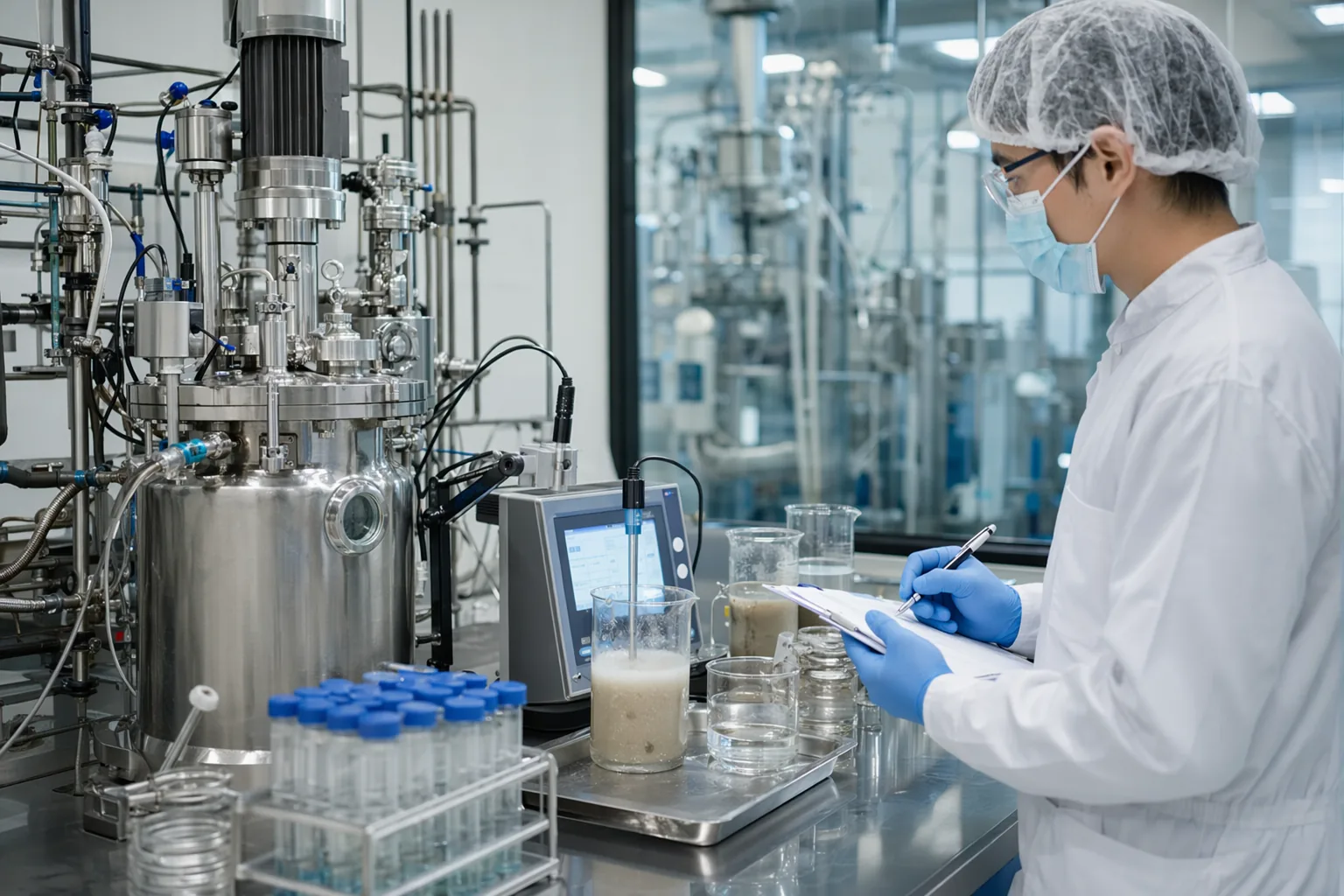
The Enzyme Pepsin Hydrolysis for Industrial Protein Processing
Process guidance for industrial pepsin enzyme protein hydrolysis: pH, temperature, dosage, QC checks, COA/TDS/SDS, pilot validation, and sourcing.
Practical guidance for B2B teams evaluating pepsin enzyme performance, process fit, quality documents, and supplier readiness for controlled protein hydrolysis.
Why Pepsin Is Used for Protein Hydrolysis
The enzyme pepsin hydrolysis process is selected when manufacturers need controlled cleavage of proteins under acidic conditions. Pepsin is an endopeptidase that preferentially attacks peptide bonds near aromatic and hydrophobic amino acids, producing smaller peptides that may improve solubility, extraction yield, downstream filtration, or functional characteristics. In B2B applications, the enzyme pepsin digests animal-derived proteins, collagen-rich tissues, dairy proteins, fish proteins, and selected specialty substrates where low pH processing is acceptable. The main substrate of enzyme pepsin is protein, but performance depends strongly on protein structure, pretreatment, particle size, denaturation level, salt, solids loading, and process objectives. For buyers, the commercial question is not only whether pepsin enzyme works, but whether it delivers repeatable hydrolysis, acceptable sensory impact, manageable inactivation, and a competitive cost-in-use at production scale.
Common applications include protein hydrolysis, collagen extraction, peptide preparation, and cheese-related processing. • Pepsin is typically evaluated where acidic hydrolysis is compatible with the final product and equipment. • Pilot trials should compare peptide profile, yield, clarity, and downstream processing behavior.
Typical Process Conditions for Pepsin Enzyme
Pepsin enzyme for protein hydrolysis is usually run in acidic aqueous systems. A practical screening range is pH 1.5–3.5, with many processes starting around pH 2.0–3.0 before optimization. Temperature trials often begin at 35–55 °C, balancing reaction rate with enzyme stability, substrate sensitivity, microbial control, and energy cost. Dosage is commonly screened as activity units per gram of protein or as a percentage of substrate mass, with initial bench ranges often covering 0.05–1.0% enzyme preparation by substrate weight when exact activity units are not yet standardized. Reaction time may range from 30 minutes to several hours depending on solids loading, target degree of hydrolysis, and peptide-size distribution. Because commercial pepsin preparations can differ in activity definition and carrier composition, dosage should be normalized using the supplier’s stated assay and confirmed by pilot data.
Start with pH, temperature, enzyme dose, time, and agitation as the main design variables. • Use the supplier activity method from the COA or TDS when comparing lots or alternatives. • Confirm inactivation conditions, such as pH shift or heat treatment, before scale-up.
Substrate Fit and Hydrolysis Targets
The pepsin enzyme substrate is not a single material; it is the accessible protein fraction in a given raw material. Collagen, gelatin, casein, whey proteins, meat proteins, fish proteins, and specialty protein streams each require different pretreatment and endpoint control. For collagen extraction, acid swelling or size reduction may improve enzyme access, while excessive hydrolysis can reduce desired molecular-weight characteristics. In dairy or cheese applications, pepsin may be evaluated for specific protein breakdown behavior, but process teams should assess flavor, bitterness, coagulation behavior, and regulatory suitability for the intended market. For protein hydrolysis, target endpoints may include soluble nitrogen, degree of hydrolysis, peptide molecular-weight range, viscosity reduction, or extraction yield. The best process window is usually found by matching substrate preparation, pepsin activity, and endpoint analytics rather than relying on generic dosage alone.
Define the target before trialing: extraction yield, peptide size, solubility, viscosity, or flavor profile. • Control raw material variability because fat, ash, salt, and denaturation affect hydrolysis rate. • Use representative production substrate during pilot validation, not only lab-grade protein.
Quality Control and Analytical Checks
Reliable production requires measurable hydrolysis control. Common QC checks include incoming substrate protein, pH, temperature, soluble nitrogen, degree of hydrolysis, total nitrogen, peptide molecular-weight distribution, viscosity, turbidity, and microbiological indicators where relevant. For collagen and peptide ingredients, teams may also monitor ash, moisture, color, odor, filtration rate, and yield after separation. During development, sample at fixed time points to build a hydrolysis curve, then set an endpoint based on function and economics. Enzyme inactivation should be verified, especially when residual protease activity could affect storage stability or downstream blending. Buyers should request the pepsin enzyme COA for activity and lot identity, the TDS for use guidance and handling information, and the SDS for workplace safety. These documents help align procurement, QA, production, and regulatory review before commercial ordering.
Track pH and temperature continuously during scale-up trials. • Use degree of hydrolysis or soluble nitrogen to avoid over-processing. • Confirm residual activity after inactivation when product stability matters. • Retain lot samples for comparison if production issues occur.
Pilot Validation Before Commercial Scale-Up
A pepsin enzyme supplier for protein hydrolysis should support structured pilot validation rather than only quoting price per kilogram. Bench trials identify the approximate operating range, but pilot runs expose mixing limits, heat-transfer behavior, pH-control demand, foam, filtration load, and separation yield. A useful pilot protocol compares at least three dosage levels, two pH points, and two reaction times using the same substrate planned for production. Record enzyme lot, activity, addition method, solids content, agitation, acid type, neutralization steps, and inactivation conditions. Cost-in-use should include enzyme dosage, acid and alkali consumption, energy, reaction time, yield improvement, waste load, filtration performance, and any additional QC testing. A lower-priced enzyme may be more expensive if activity is inconsistent or requires longer residence time.
Run pilot trials with commercial raw materials and realistic solids loading. • Calculate cost-in-use per kilogram of finished hydrolysate, not only enzyme purchase price. • Document the process window before negotiating recurring supply.
How to Qualify a Pepsin Supplier
Industrial buyers sourcing porcine pepsin or other pepsin preparations should qualify both the product and the supplier’s operating discipline. Request a current COA, TDS, SDS, activity specification, test method summary, country of origin, material origin, packaging options, shelf-life guidance, storage conditions, and lot-to-lot variability data where available. Ask how the supplier handles formulation changes, raw material changes, lead-time changes, and complaint investigations. For regulated food or ingredient applications, confirm that documentation aligns with your internal QA and market requirements without assuming unsupported certifications. Commercial evaluation should include sample availability, technical response time, batch traceability, minimum order quantity, lead time, and continuity of supply. A good supplier helps translate enzyme pepsin activity into validated process performance, not just catalogue specifications.
Compare suppliers using the same activity basis and the same substrate trial. • Check whether COA values match the activity units used in your process calculations. • Confirm storage and handling requirements before warehouse approval. • Build change-control expectations into the purchasing specification.
Technical Buying Checklist
Buyer Questions
Yes. For B2B processing, the answer to “is pepsin an enzyme” is yes: pepsin is an acidic protease used to hydrolyze proteins into smaller peptides. It is evaluated in applications such as protein hydrolysis, collagen extraction, and selected dairy or cheese processes. Industrial use should be validated with the intended substrate, process pH, temperature, endpoint tests, and supplier documentation.
The substrate of enzyme pepsin is the accessible protein in the raw material. In practice, the pepsin enzyme substrate may be collagen, gelatin, casein, whey protein, meat protein, fish protein, or another protein stream. Accessibility depends on pretreatment, particle size, denaturation, salt, fat, solids loading, and pH. This is why pilot testing with production-grade substrate is more reliable than generic dosage guidance.
A qualified pepsin supplier should provide a COA showing lot identity and activity, a TDS with product guidance, and an SDS for safe handling. Buyers may also request activity method details, origin information, storage conditions, shelf life, packaging format, traceability, and change-control expectations. These documents help procurement, QA, and production teams compare suppliers on process suitability, not only unit price.
Cost-in-use should include enzyme dose, activity consistency, reaction time, acid and alkali consumption, heating or cooling, yield, filtration performance, waste load, and QC testing. A low purchase price may not reduce total cost if more enzyme is required or hydrolysis takes longer. The best comparison uses the same substrate, endpoint, activity basis, and pilot-scale process conditions across suppliers.
A practical starting screen for the enzyme pepsin hydrolysis is pH 1.5–3.5, temperature 35–55 °C, and several enzyme dosages normalized by supplier activity. Sample at fixed time points and measure degree of hydrolysis, soluble nitrogen, peptide profile, yield, viscosity, and sensory or functional endpoints as relevant. Confirm inactivation and downstream filtration before transferring results to plant scale.
Related Search Themes
pepsin enzyme, is pepsin an enzyme, the enzyme pepsin digests, substrate of enzyme pepsin, pepsin enzyme substrate, enzyme pepsin
Pepsin for Research & Industry
Need Pepsin for your lab or production process?
ISO 9001 certified · Food-grade & research-grade · Ships to 80+ countries
Frequently Asked Questions
Is pepsin an enzyme used for industrial protein hydrolysis?
Yes. For B2B processing, the answer to “is pepsin an enzyme” is yes: pepsin is an acidic protease used to hydrolyze proteins into smaller peptides. It is evaluated in applications such as protein hydrolysis, collagen extraction, and selected dairy or cheese processes. Industrial use should be validated with the intended substrate, process pH, temperature, endpoint tests, and supplier documentation.
What is the substrate of enzyme pepsin in hydrolysis processes?
The substrate of enzyme pepsin is the accessible protein in the raw material. In practice, the pepsin enzyme substrate may be collagen, gelatin, casein, whey protein, meat protein, fish protein, or another protein stream. Accessibility depends on pretreatment, particle size, denaturation, salt, fat, solids loading, and pH. This is why pilot testing with production-grade substrate is more reliable than generic dosage guidance.
What documents should a pepsin supplier provide before purchase?
A qualified pepsin supplier should provide a COA showing lot identity and activity, a TDS with product guidance, and an SDS for safe handling. Buyers may also request activity method details, origin information, storage conditions, shelf life, packaging format, traceability, and change-control expectations. These documents help procurement, QA, and production teams compare suppliers on process suitability, not only unit price.
How should cost-in-use be calculated for pepsin enzyme?
Cost-in-use should include enzyme dose, activity consistency, reaction time, acid and alkali consumption, heating or cooling, yield, filtration performance, waste load, and QC testing. A low purchase price may not reduce total cost if more enzyme is required or hydrolysis takes longer. The best comparison uses the same substrate, endpoint, activity basis, and pilot-scale process conditions across suppliers.
What is a practical starting process for the enzyme pepsin hydrolysis?
A practical starting screen for the enzyme pepsin hydrolysis is pH 1.5–3.5, temperature 35–55 °C, and several enzyme dosages normalized by supplier activity. Sample at fixed time points and measure degree of hydrolysis, soluble nitrogen, peptide profile, yield, viscosity, and sensory or functional endpoints as relevant. Confirm inactivation and downstream filtration before transferring results to plant scale.
Related: Pepsin Enzyme Substrate & Function
Turn This Guide Into a Supplier Brief Request pepsin enzyme specifications, samples, and pilot-support guidance for your protein hydrolysis project. See our application page for Pepsin Enzyme Substrate & Function at /applications/pepsin-enzyme-substrate-function/ for specs, MOQ, and a free 50 g sample.
Contact Us to Contribute