Digestive Enzyme Formula Containing Pepsin Protease Amylase and Lipase
B2B guide to pepsin-based enzyme blends for protein hydrolysis: pH, temperature, dosage, QC, COA/TDS/SDS, pilots, and sourcing.
A practical B2B process guide for manufacturers evaluating pepsin enzyme blends in controlled protein hydrolysis workflows, including operating ranges, QC checkpoints, and supplier qualification.
Industrial Role of Pepsin in Protein Hydrolysis
For B2B buyers, pepsin is best evaluated as an acid protease for controlled protein breakdown rather than as a consumer wellness ingredient. In protein hydrolysis, the enzyme pepsin digests susceptible peptide bonds under acidic conditions, helping reduce molecular weight, improve extractability, and prepare substrates for downstream separation or additional enzymatic treatment. Typical substrates include animal proteins, collagen-rich materials, gelatin streams, dairy proteins, and process side streams where low-pH operation is compatible with the product specification. When teams ask, “is pepsin an enzyme” or “is pepsin a digestive enzyme,” the industrial answer is yes: it is a proteolytic enzyme with practical value when its pH profile, activity assay, and origin align with the process. Porcine pepsin is common, but sourcing requirements should be confirmed early for regulatory, labeling, and customer acceptance needs.
Primary function: acid-phase proteolysis • Common use: pre-hydrolysis before neutral proteases • Typical evaluation metric: degree of hydrolysis and soluble nitrogen
Using Multi-Enzyme Blends Without Losing Process Control
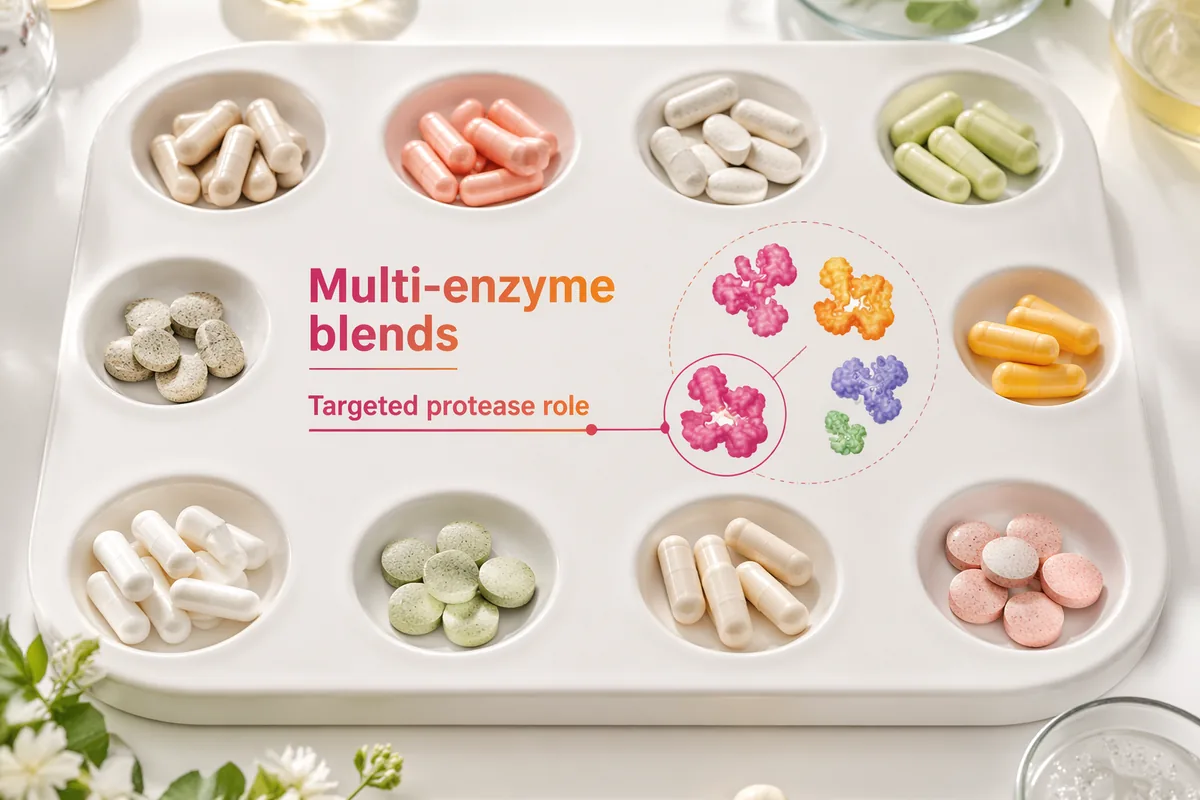
A digestive enzyme formula containing pepsin protease amylase and lipase can be useful when the substrate contains protein, starch, and lipid fractions, but each enzyme class has different optimum conditions. Pepsin digestive enzyme activity is strongest in an acidic environment, while many amylases and lipases may require milder pH ranges depending on the source and formulation. This means a single-step process may underutilize part of the blend unless the formula is engineered for the target pH or the process is staged. In industrial development, avoid relying on generic references such as “digestive enzymes hydrochloric acid amylase pepsin lipase prezi” style summaries. Instead, request the technical data sheet and activity definitions, then run a designed trial. A phrase like “digestive enzyme formula containing pepsin protease amylase and lipase a” may appear in search data, but procurement should focus on measurable performance.
Confirm activity units for each enzyme component • Check whether the blend is intended for acidic or staged hydrolysis • Validate compatibility with salt, fat, solids, and preservatives
Recommended Process Conditions for Pilot Trials
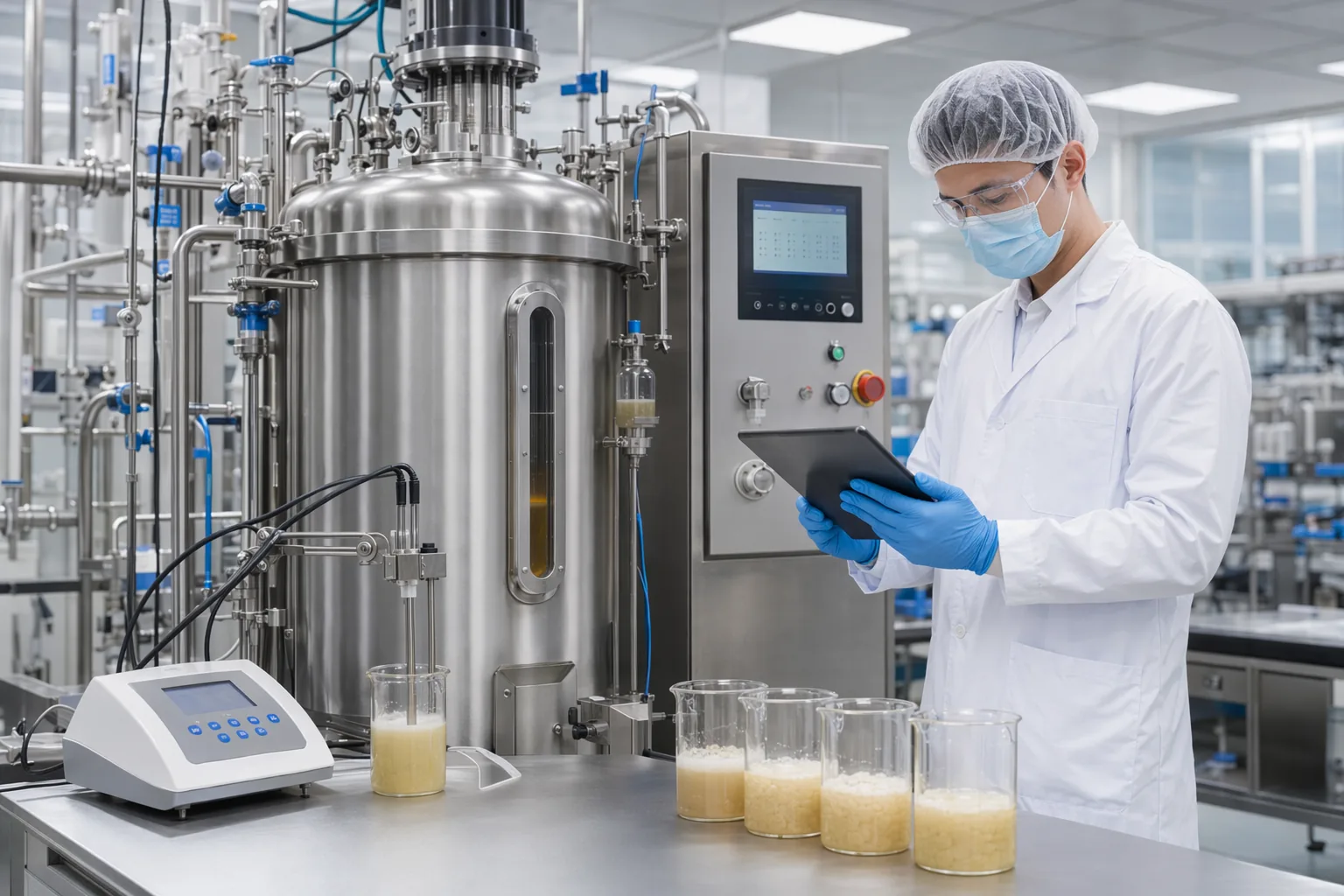
A practical pepsin enzyme pilot starts with a defined substrate, solids level, target hydrolysis endpoint, and enzyme-to-substrate dosage band. For pepsin-led protein hydrolysis, screening commonly begins around pH 1.5–3.5 and 35–55°C, with the exact setpoint determined by the product TDS and substrate stability. Initial dosage may be screened across 0.05–1.0% enzyme preparation by substrate weight, or by standardized activity units per gram of protein where the supplier provides a validated assay. Residence times often range from 30 minutes to 6 hours, depending on particle size, denaturation, agitation, and endpoint. Because the digestive enzyme pepsin works in the acidic environment, acid addition and pH control should be treated as critical process parameters. Include a heat-inactivation or pH-shift step where required to stop hydrolysis before filtration, concentration, drying, or blending.
Screen pH, temperature, dosage, and time as interacting variables • Track hydrolysis endpoint rather than only reaction time • Confirm enzyme deactivation conditions during pilot work
QC Checks That Matter to Buyers
Procurement teams should connect enzyme selection with measurable quality attributes in the finished hydrolysate. Useful QC checks include pH, soluble protein, total nitrogen, degree of hydrolysis, peptide molecular weight distribution, viscosity, turbidity, fat release, ash, moisture, microbial limits, and sensory profile where relevant. For collagen extraction, additional checks may include gelatin strength, hydroxyproline, extraction yield, color, and filtration behavior. For cheese-related applications, assess any impact on flavor development, curd handling, and downstream process consistency. The best pepsin supplier conversations include the certificate of analysis, technical data sheet, safety data sheet, activity method, recommended storage, residual activity expectations, and allergen or animal-origin declarations where applicable. Ask for recent batch data rather than only a single representative specification. This reduces the risk of under-dosing, over-hydrolysis, inconsistent yields, and unexpected changes in finished product functionality.
Request COA, TDS, SDS, and activity method • Measure hydrolysate performance, not only enzyme activity • Compare at least two batches during qualification
Cost-in-Use and Supplier Qualification
The lowest quoted price per kilogram is rarely the lowest process cost. For porcine pepsin and pepsin-containing blends, calculate cost-in-use based on enzyme activity, required dosage, hydrolysis time, yield gain, filtration impact, energy demand, rework risk, storage stability, and freight. A concentrated enzyme with stronger batch consistency may reduce labor and cycle time even if the unit price is higher. Supplier qualification should include origin, manufacturing controls, traceability, lot numbering, shelf life, packaging options, technical support responsiveness, and the ability to support pilot validation. Buyers should also confirm whether the same product can be supplied at lab, pilot, and commercial scale without changing activity method or formulation. A dependable pepsin supplier helps translate bench results into production economics by sharing documentation, sample quantities, and realistic scale-up guidance.
Calculate cost per kilogram of hydrolysate, not cost per kilogram of enzyme • Verify scale-up availability before approving the process • Include technical support quality in supplier scoring
Technical Buying Checklist
Buyer Questions
Yes. Pepsin is an enzyme, specifically an acid-active protease, and it is used in industrial protein hydrolysis when low-pH processing is suitable. It can help break proteins into smaller peptides before filtration, concentration, drying, or secondary enzymatic treatment. Buyers should evaluate it through pilot trials using the supplier’s stated activity method and process guidance.
The enzyme pepsin digests proteins by cleaving peptide bonds under acidic conditions. In manufacturing, this can support hydrolysis of animal proteins, collagen-containing materials, dairy streams, or other protein substrates. The actual performance depends on substrate pretreatment, pH, temperature, enzyme dosage, reaction time, and solids loading, so bench and pilot validation are essential.
Yes, but a digestive enzyme formula containing pepsin protease amylase and lipase should be selected for the process conditions, not just the ingredient list. Pepsin prefers acidic conditions, while other enzymes may have different pH and temperature optima. For mixed substrates, staged hydrolysis or a specially formulated acidic blend may deliver better control.
A qualified pepsin supplier should provide a COA, TDS, SDS, activity method, recommended storage conditions, shelf life, origin information, and traceability details. Depending on the application, buyers may also request animal-origin statements, allergen information, microbial specifications, and batch history. These documents help compare suppliers and support internal quality approval.
Calculate cost-in-use from the validated dosage required to meet the hydrolysis endpoint, not from price per kilogram alone. Include activity strength, yield improvement, batch time, filtration behavior, energy use, waste reduction, storage stability, and potential rework risk. Comparing suppliers at equal performance targets is the most reliable way to identify true value.
Related Search Themes
pepsin enzyme, digestive enzyme formula containing pepsin protease amylase and lipase a, is pepsin an enzyme, digestive enzymes hydrochloric acid amylase pepsin lipase prezi, the enzyme pepsin digests, pepsin digestive enzyme
Pepsin for Research & Industry
Need Pepsin for your lab or production process?
ISO 9001 certified · Food-grade & research-grade · Ships to 80+ countries
Frequently Asked Questions
Is pepsin an enzyme used in industrial protein hydrolysis?
Yes. Pepsin is an enzyme, specifically an acid-active protease, and it is used in industrial protein hydrolysis when low-pH processing is suitable. It can help break proteins into smaller peptides before filtration, concentration, drying, or secondary enzymatic treatment. Buyers should evaluate it through pilot trials using the supplier’s stated activity method and process guidance.
What does the enzyme pepsin digest in a manufacturing process?
The enzyme pepsin digests proteins by cleaving peptide bonds under acidic conditions. In manufacturing, this can support hydrolysis of animal proteins, collagen-containing materials, dairy streams, or other protein substrates. The actual performance depends on substrate pretreatment, pH, temperature, enzyme dosage, reaction time, and solids loading, so bench and pilot validation are essential.
Can pepsin be combined with protease, amylase, and lipase?
Yes, but a digestive enzyme formula containing pepsin protease amylase and lipase should be selected for the process conditions, not just the ingredient list. Pepsin prefers acidic conditions, while other enzymes may have different pH and temperature optima. For mixed substrates, staged hydrolysis or a specially formulated acidic blend may deliver better control.
What documents should a pepsin supplier provide before approval?
A qualified pepsin supplier should provide a COA, TDS, SDS, activity method, recommended storage conditions, shelf life, origin information, and traceability details. Depending on the application, buyers may also request animal-origin statements, allergen information, microbial specifications, and batch history. These documents help compare suppliers and support internal quality approval.
How should cost-in-use be calculated for porcine pepsin?
Calculate cost-in-use from the validated dosage required to meet the hydrolysis endpoint, not from price per kilogram alone. Include activity strength, yield improvement, batch time, filtration behavior, energy use, waste reduction, storage stability, and potential rework risk. Comparing suppliers at equal performance targets is the most reliable way to identify true value.
Related: Pepsin Enzyme Substrate & Function
Turn This Guide Into a Supplier Brief Contact EnzymePoint to discuss pepsin samples, documentation, and pilot validation for your protein hydrolysis process. See our application page for Pepsin Enzyme Substrate & Function at /applications/pepsin-enzyme-substrate-function/ for specs, MOQ, and a free 50 g sample.
Contact Us to Contribute